
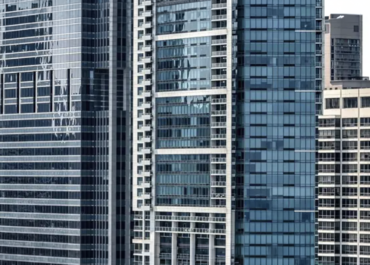
Rent prices across Chicago continue climbing in 2026, creating stress for many renters trying to keep up with higher monthly housing costs. Apartment prices have been increasing in many parts of the city, especially in neighborhoods close to downtown, train lines, restaurants, entertainment areas, and office centers. Many renters say they are shocked when lease renewal notices arrive because the monthly increases are much higher than they expected.
For some residents, the rising cost of rent is changing major life decisions. People are delaying moving out on their own, living with roommates longer, moving farther away from downtown Chicago, or cutting back on spending in other areas just to afford housing. At the same time, landlords say they are also dealing with higher costs for property taxes, insurance, maintenance, utilities, repairs, and building upgrades.
Chicago has long been viewed as a more affordable large city compared to places like New York City, Los Angeles, or San Francisco. However, many renters now believe Chicago is becoming much more expensive than it was only a few years ago. The city’s rental market has become one of the biggest financial concerns for residents in 2026.
Apartment Prices Are Rising in Many Neighborhoods
Rent increases are happening across many parts of Chicago, not just in luxury downtown buildings. Neighborhoods that were once considered more affordable are also seeing prices rise as more people compete for available apartments.
Areas close to public transportation and job centers are especially competitive. Renters searching for apartments in neighborhoods with restaurants, nightlife, parks, and newer developments often find fewer available units and higher monthly prices. In some cases, apartments are being rented within days of being listed online.
Some renters report their monthly payments increasing by several hundred dollars after renewing their lease. Others say they have been priced out of neighborhoods where they lived for years. This has caused many people to search farther outside the city center for cheaper options.
Suburban communities around Chicago are also seeing growing demand as renters look for lower costs and larger living spaces. However, even many suburban areas are beginning to experience higher rental prices because of increased demand.
Why Rent Prices Keep Going Higher
There are several reasons why rent prices continue to increase across Chicago. One major reason is the lack of enough housing supply compared to the number of people looking for apartments.
New apartment construction has slowed in some areas due to higher building costs, labor shortages, financing challenges, and interest rates. Developers say it has become more expensive to build housing projects, and those higher costs eventually affect renters.
Landlords are also dealing with rising property taxes and insurance expenses. Building maintenance costs have increased as prices for materials, repairs, plumbing work, electrical work, and other services continue to go up. Many smaller property owners say they cannot absorb all these expenses themselves and are forced to raise rent prices to keep operating.
Mortgage rates are another factor affecting the rental market. Since buying a home has become more expensive for many people, more residents are staying in apartments longer instead of purchasing homes. This keeps demand for rentals high while available housing remains limited.
Population trends are also affecting the market. Chicago continues attracting students, young professionals, remote workers, and people relocating from other areas. While some residents move away because of costs, demand for housing in many neighborhoods remains strong.
Renters Are Making Big Lifestyle Changes
Higher rent prices are forcing many Chicago residents to change how they live and spend money. Some renters are downsizing into smaller apartments to lower their monthly costs. Others are moving in with family members or splitting apartments with roommates to save money.
Many younger residents who planned to buy homes are now staying in the rental market much longer than expected because homeownership feels out of reach. Higher mortgage rates, expensive down payments, and rising home prices are making it difficult for first-time buyers to enter the housing market.
Some renters are now spending such a large portion of their income on housing that they have less money available for savings, travel, entertainment, restaurants, or emergencies. Financial experts often recommend spending no more than about 30% of income on housing, but many renters in large cities now spend much more than that.
Long commutes are also becoming more common as residents move farther away from downtown Chicago, searching for cheaper apartments. Some people are choosing suburban areas with lower rents, even if it means spending more time driving or taking trains to work.
Property Owners Face Growing Expenses Too
While renters are frustrated with rising prices, many property owners say they are under financial pressure as well. Operating rental properties has become much more expensive in recent years.
Insurance premiums have increased for many apartment buildings. Property taxes continue rising in some parts of the city, and maintenance costs are much higher than before. Older buildings especially require ongoing repairs, plumbing work, roof replacements, heating system repairs, and electrical upgrades.
Some landlords say they delayed raising rent prices during earlier years and are now trying to catch up with higher expenses. Smaller landlords who own only a few buildings often say they do not have the same financial flexibility as large apartment corporations.
At the same time, large apartment developments continue to be built in some parts of Chicago. Many of these newer buildings include luxury features like gyms, rooftop lounges, co-working spaces, pools, and modern interiors. These newer projects often charge much higher rent prices, which can also influence surrounding rental markets.
Debate Over Rent Control Continues
As rental prices rise, more residents and housing groups are asking city and state leaders to consider stronger tenant protections. One of the biggest debates involves rent control policies.
Supporters of rent control believe limits on yearly rent increases could help keep neighborhoods affordable and prevent people from being forced out of their homes. They argue that stable housing helps families, workers, and communities remain financially secure.
Opponents argue that strict rent control policies may discourage developers from building more apartments and could reduce investment in housing. Some property owners believe that too many restrictions could make it harder to maintain buildings or manage increasing operating expenses.
The discussion around affordable housing continues to grow in Chicago as more residents struggle with rising living costs. City leaders are also discussing ideas like increasing affordable housing construction, updating zoning rules, and encouraging more residential development near transportation areas.
Chicago Remains More Affordable Than Some Major Cities
Even though rents are rising, Chicago still remains less expensive than some of the largest coastal cities in the United States. Compared to cities like New York City, San Francisco, Boston, and Los Angeles, Chicago apartments are often considered more affordable for the amount of space renters receive.
This relative affordability continues attracting people who want big-city living without paying the extremely high housing costs seen in some other metro areas. However, many longtime Chicago residents say the city no longer feels as affordable as it once did.
Neighborhoods that were once viewed as budget-friendly are now becoming more expensive due to redevelopment, new businesses, improved transportation access, and population growth. As these areas become more desirable, rent prices often rise quickly.
Chicago’s economy, restaurants, sports culture, universities, entertainment scene, and growing job sectors continue attracting residents despite the higher costs.
What the Future Could Look Like for Chicago Housing
Many experts believe Chicago’s rental market may remain competitive throughout the rest of 2026 and possibly beyond. Demand for apartments remains high while the housing supply in many popular neighborhoods stays limited.
Future housing trends will likely depend on several major factors, including interest rates, the economy, construction activity, population growth, and government housing policies. If more apartment buildings are constructed, rental competition could eventually ease. However, if housing supply remains tight, prices may continue rising.
The city’s housing market will also be affected by larger economic trends, including inflation, job growth, and migration patterns. Some experts believe remote work may continue changing where people choose to live, while others believe downtown areas could become even more active again in the coming years.
For renters in Chicago, housing costs are now becoming one of the biggest financial challenges of everyday life. Many residents are carefully budgeting, comparing neighborhoods, and adjusting long-term plans as they try to keep up with the city’s changing rental market.