
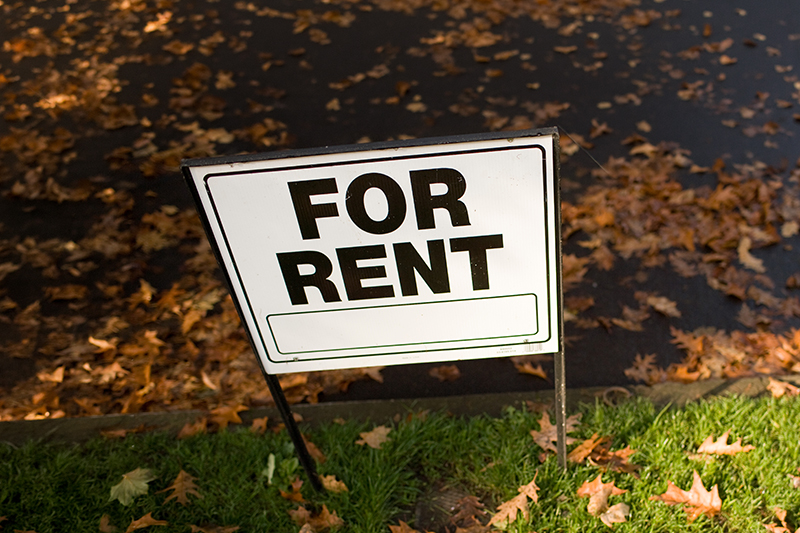
Chicago leaders are considering new rules that could give renters more protection and make it easier for the city to deal with landlords who do not properly maintain their properties.
A revised proposal supported by Mayor Brandon Johnson passed its first major test when the Chicago City Council’s Committee on Housing and Real Estate voted 12-9 to move it forward. The proposal is expected to go before the full City Council for another vote.
Chicago Renters Are Facing Higher Costs
Rent has become more expensive for many people living in Chicago. The average monthly rent reached $1,956 at the end of 2025, according to data cited by WTTW News.
About 622,000 Chicago residents rent their homes. City officials say about 40% of them spend more than one-third of their take-home pay on rent. These rising costs have increased concerns about affordable housing and renter protections.
The Original Proposal Was Changed
The mayor’s original plan included stronger protections for tenants, but several parts were removed before the committee vote.One removed rule would have limited when landlords could evict tenants or refuse to renew their leases. Another provision could have required landlords to provide financial help to some tenants who were forced to move because of very large rent increases.
The revised proposal would also exempt certain smaller, owner-occupied buildings from some of the new requirements.
A New Office Would Help Renters
One of the biggest parts of the proposal is the creation of a Bureau of Rental Housing Services within Chicago’s Department of Housing. The office would help renters understand their rights, assist people facing eviction, and investigate landlords accused of breaking city rules. The proposal would also create a tenant bill of rights.
Most landlords would pay a $20 fee for each rental unit to help fund the program. City officials estimate the fees could raise about $22 million.
Rental Property Owners Would Have to Register
The proposal would require rental property owners to identify themselves to the city. Supporters say this could make it easier to find and hold landlords responsible when properties have serious problems. They argue that some property owners use different companies or complicated business structures that make it difficult for tenants and city officials to determine who is responsible for a building.
The new rental bureau would have 28 employees and would take about three years to fully establish, according to city officials.
Some Landlords and City Leaders Oppose the Plan
Not everyone supports the mayor’s proposal. Critics argue that the new fees and regulations could increase the cost of operating rental properties. They say landlords may eventually pass some of those costs on to renters through higher rents.
A separate proposal supported by landlord groups and some City Council members would also increase protections against landlords who break existing rules. However, that proposal would not create a new city agency or charge landlords the same new fees.
Both sides agree that Chicago has a shortage of affordable housing. The disagreement is mainly about how much regulation landlords should face and what approach would best protect renters while keeping housing costs under control.