
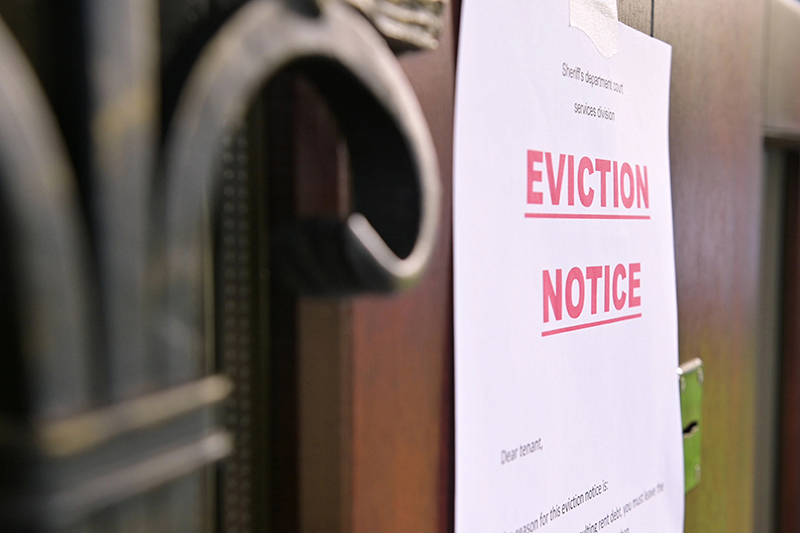
Landlords have filed more than 40,000 eviction cases across Cook County since 2022, highlighting the continued housing challenges renters face throughout the area. An eviction filing does not always mean a tenant left their home, but the large number of cases shows how often rental disputes reach the courts. Court records also offer a closer look at where these cases occur and the challenges involved in tracking them.
More Than 40,000 Eviction Cases Filed
Landlords in Cook County have filed more than 40,000 eviction cases since 2022. The number represents legal cases started in court by property owners who were seeking to remove tenants from their properties.
Eviction filings dropped significantly during the COVID-19 pandemic because of temporary government protections that helped many renters remain in their homes. As those protections ended, eviction cases began increasing again.
The cases involve renters across different parts of Cook County. Some tenants may have fallen behind on rent, while others may have faced different disputes with their landlords.
It is important to remember that an eviction filing does not automatically mean that an eviction took place. A case can be dismissed, settled, or resolved before a tenant is required to leave the property.
Chicago’s South Side Sees Many Eviction Cases
A significant number of eviction cases have been concentrated in neighborhoods on Chicago’s South Side.
Eviction problems have historically affected some South and West Side neighborhoods at higher rates than other parts of the city. These areas can also face other housing challenges, including limited affordable housing and financial pressure on renters.
For families already struggling to keep up with rent and other household expenses, an eviction case can create serious financial problems. Even when a tenant is able to resolve the case and remain in the home, going through the court process can be stressful and expensive.
The concentration of eviction cases in certain neighborhoods also provides information about where housing instability may be more common.
Court Records Do Not Tell The Whole Story
One of the challenges with analyzing Cook County eviction data is that some court records are missing important information.
Thousands of cases do not include a property address. Without an address, it can be difficult to determine exactly where a particular eviction case occurred.
Other information about landlords can also be missing from the records. This makes it harder for researchers, housing organizations, and members of the public to get a complete picture of eviction activity throughout the county.
Because of these gaps, the more than 40,000 cases represent only the information that can be identified from the available court records.
An Eviction Filing Does Not Mean A Tenant Was Removed
There is an important difference between an eviction filing and an actual eviction. When a landlord files an eviction case, the matter goes through the court system. The tenant generally has an opportunity to respond and present their side of the situation.
Some courts may dismiss cases, while landlords and tenants may resolve others through an agreement. In some situations, tenants pay what they owe or reach another arrangement that allows them to stay in their homes. Only a portion of these cases ultimately end with a court ordering the tenant to leave.
For that reason, the more than 40,000 filings do not mean that landlords physically removed more than 40,000 households from their homes.
What The Numbers Mean For Real Estate
Eviction records can provide useful information about the rental housing market. Looking at where cases are filed can help identify neighborhoods where renters may be experiencing greater financial pressure.
The information can also be useful when researching individual properties and their history. Property owners, buyers, real estate professionals, and researchers may look at public records to better understand a property’s background.
However, eviction records should be viewed carefully. Missing addresses and other incomplete information can make it difficult to determine the full history of a property or neighborhood.
Housing Pressure Remains A Concern
The large number of eviction filings since 2022 shows that housing instability continues to be an important issue in Cook County.
Rising living expenses, rental costs, job changes, and unexpected financial problems can make it difficult for some households to keep up with monthly rent. When a tenant falls behind, the situation can quickly become a legal matter.
For landlords, eviction cases can also represent lost rental income, legal expenses, and the cost of finding new tenants. For renters, an eviction case can have lasting financial and housing consequences.
As Cook County continues to process thousands of eviction cases, court records will remain an important source of information for understanding the local housing market. The available data also shows why accurate and complete property records are valuable when researching the history of homes and rental properties.